
MEET ISABEL SANDOVAL
“Making early films demands an unusual combination of self-belief and resourcefulness, and I'm interested in working with someone who is actively developing both.”
Location: Brooklyn, NY
Disciplines: Narrative fiction (film)
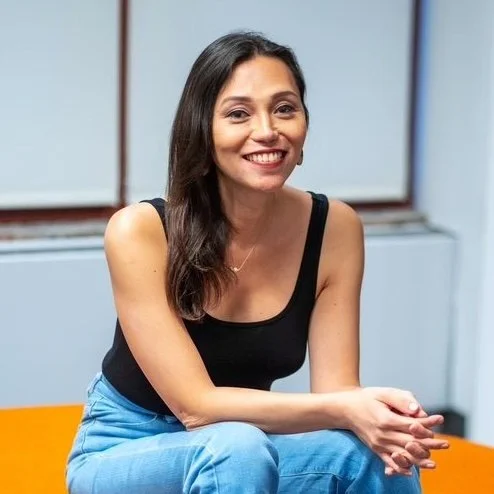
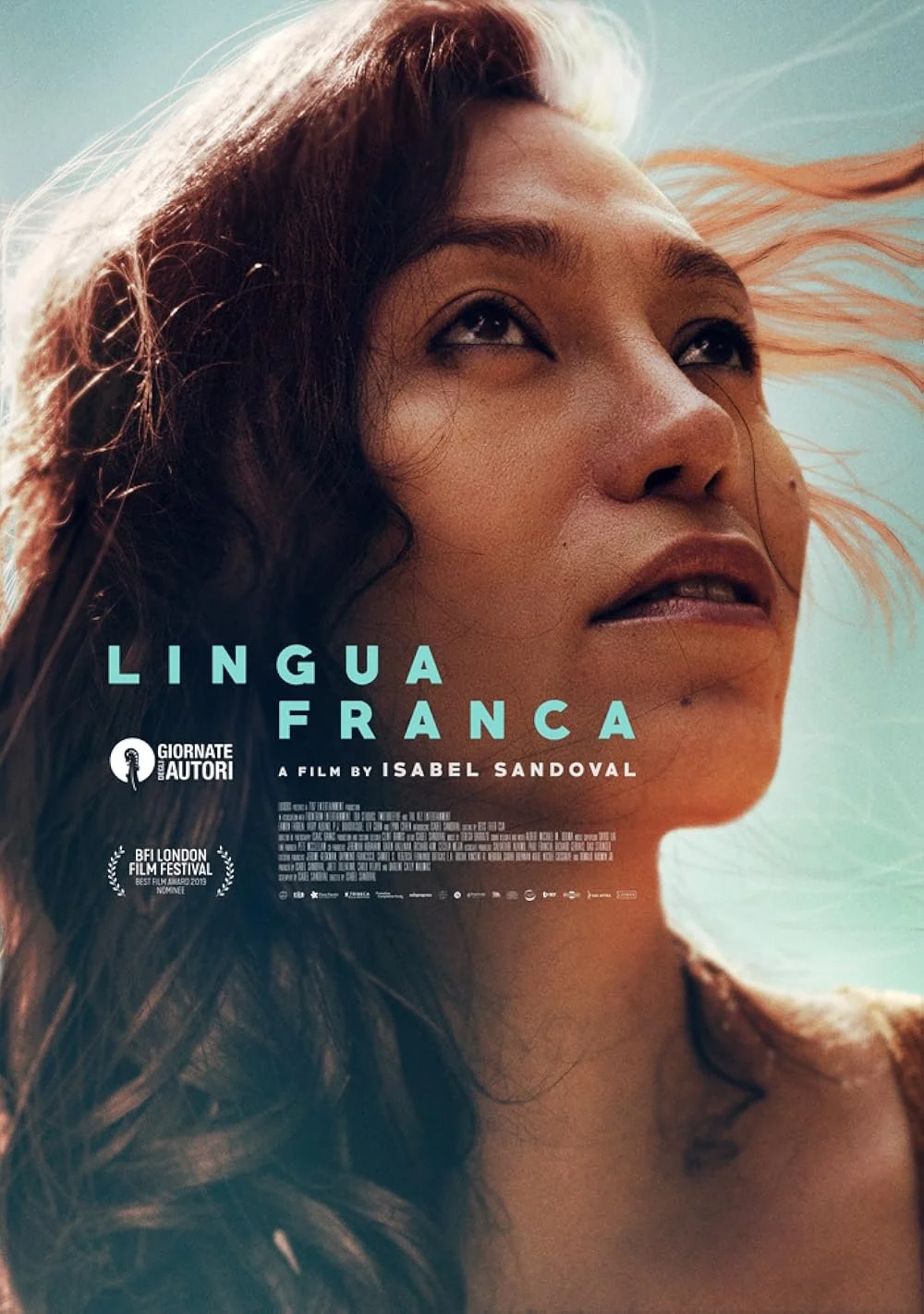
Isabel Sandoval (she/her) is recognized as “one of the most exciting and multitalented filmmakers on the indie scene with a bold approach to cinematic style” by The Criterion Collection. Her debut feature, Señorita, premiered at Locarno. Her widely acclaimed third feature, Lingua Franca, premiered at Venice and was nominated for an Independent Spirit Award. Her fourth feature Moonglow premiered at the 2026 Rotterdam Film Festival. She starred in the César Award-winning short film Maria Schneider 1983. She has been on the festival juries at Cannes, Locarno, BFI London and Mumbai and is a MacDowell and Yaddo Fellow. She is currently developing her next feature, the 16th-century colonial drama Tropical Gothic, which won a development prize at the 2021 Berlinale Talents Project Market. Her TV directing credits include the Emmy-nominated Under The Banner of Heaven starring Andrew Garfield and The Summer I Turned Pretty. She is a member of the Academy of Motion Picture Arts Sciences (AMPAS) in the Directors branch.
Work
mentor profile
What interests you about mentoring?
“What excites me most about mentoring is the opportunity to encourage filmmakers to think freely and experiment without self-imposed limits. In my experience, emerging artists often already have the boldest instincts; they just need someone to give them permission to trust those instincts and take real creative risks. Some of the most important decisions in filmmaking mean going against formula and convention, and that can feel terrifying without the support of someone who has been there. I want to be that presence for a fellow filmmaker, someone who can offer both the practical perspective of having navigated an unconventional path and the encouragement to pursue the work only they can make.”
Given your experience and interests, what kind of emerging artist do you feel best positioned to support?
“I'm best positioned to support an independent filmmaker working on their first or second feature, someone at that particular stage where creative conviction and practical reality are in constant negotiation. Making early films demands an unusual combination of self-belief and resourcefulness, and I'm interested in working with someone who is actively developing both. I'm especially drawn to filmmakers who wear multiple creative hats (who write, direct, and perhaps perform in their own work) because that kind of total authorship requires a specific confidence in your own vision that I understand intimately and can speak to directly.”
As a mentor, what would you like to offer an emerging artist? What would you like to receive?
“As someone who has developed and produced my own independent features outside the studio system, I can offer concrete, hands-on guidance on getting an independent film off the ground, from early development and packaging to attaching producers and cast and navigating the financing landscape. I can also speak specifically to festival strategy: how to position a film, which festivals matter for which kinds of work, and how to build critical momentum from a premiere. What I bring is less a conventional industry roadmap and more the perspective of an filmmaker who has charted her own path, which I think is particularly valuable for artists whose work doesn't fit neatly into existing categories.”
Have you had mentors of your own? Who have they been?
“One formal mentorship experience that stands out was working with novelist Emma Donoghue through a SFFILM script development grant, during which she guided me through the development of an adoption drama over several months. Her literary sensibility and approach to character interiority left a real mark on how I think about narrative. But some of my most formative mentorship has been less direct; a sustained, devoted engagement with the work of filmmakers like Wong Kar-wai, Chantal Akerman, and Fassbinder, whose formal and thematic preoccupations have shaped my own in ways that feel as personal as any direct relationship. I think of artistic influence at that depth as a kind of mentorship too, and it's part of why I believe so strongly in the value of helping an emerging filmmaker find and commit to their own cinematic lineage.”
Is there something we didn’t ask that you would like prospective applicants to know?
“I want prospective applicants to know that while my identity as a trans Filipina filmmaker is inseparable from my work, my perspective as a mentor is fundamentally intersectional rather than organized around any single lens. Questions of race, nationality, class, and colonial history are as central to how I think about cinema as questions of gender. I'd love to work with a fellow whose artistic vision is shaped by that same complexity: someone for whom identity is a starting point for deeper inquiry, not a destination.”
This mentor is open to working with fellows either remotely or in-person!